

Pipeline

pipeline

RNS60:
Addressing the foundation of cellular health through bioenergetic support

Lead Candidate RNS60: Saline super-saturated with oxygen through our proprietary process to restore cellular vitality

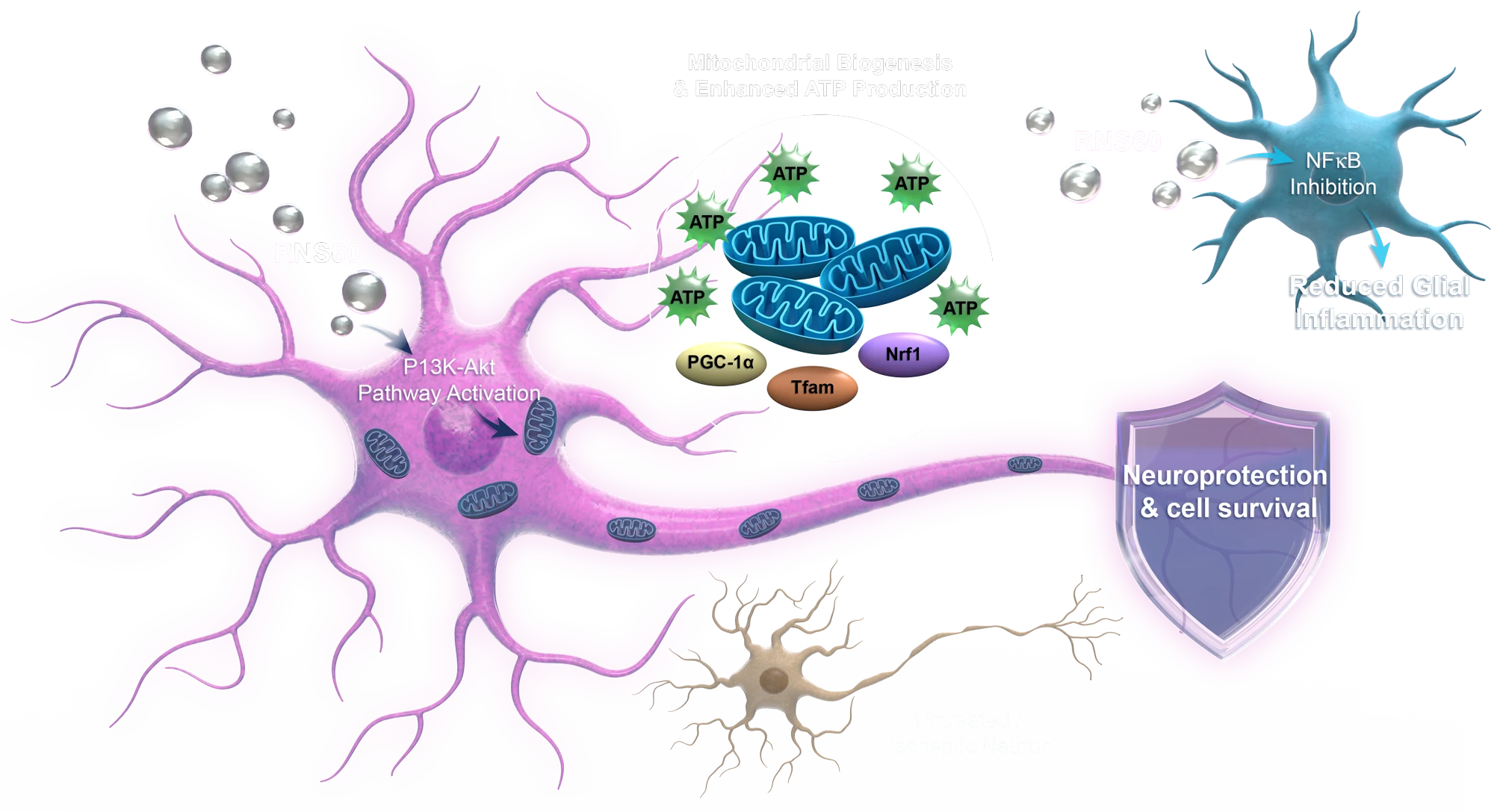
RNS60 is an investigational therapeutic designed to provide safe and effective treatments for neurological conditions by targeting the root cause of cellular decline: mitochondrial dysfunction. RNS60 uniquely triggers intracellular signaling that promotes:

  • Preservation of structure and function of mitochondria, effectively “re-powering” the cell
  • Enhanced neuronal survival under various stresses through activation of the Akt-mediated antiapoptotic pathway
  • An anti-inflammatory environment that supports neuroprotection through modulation of the activity of immune cells (like microglia, astroglia and T cells)

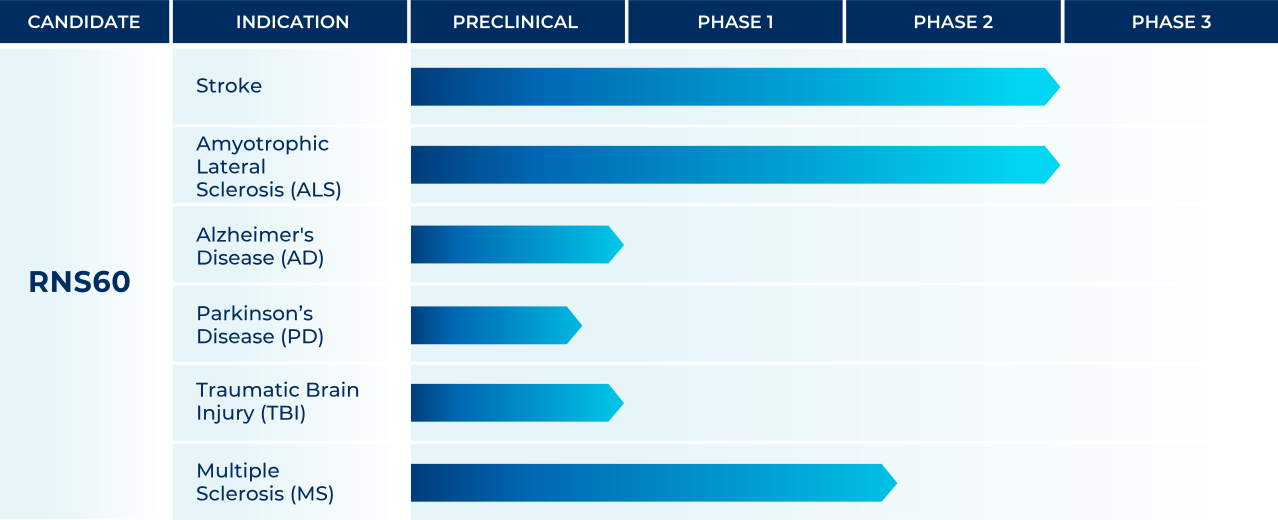
RNS60 has the potential to address multiple neurological conditions and diseases of aging

RNS60 preserves brain tissue

LEARN MORE ABOUT
the technology
behind RNS60

RNS60 FOR ISCHEMIC STROKE:
Addressing the acute energy crisis

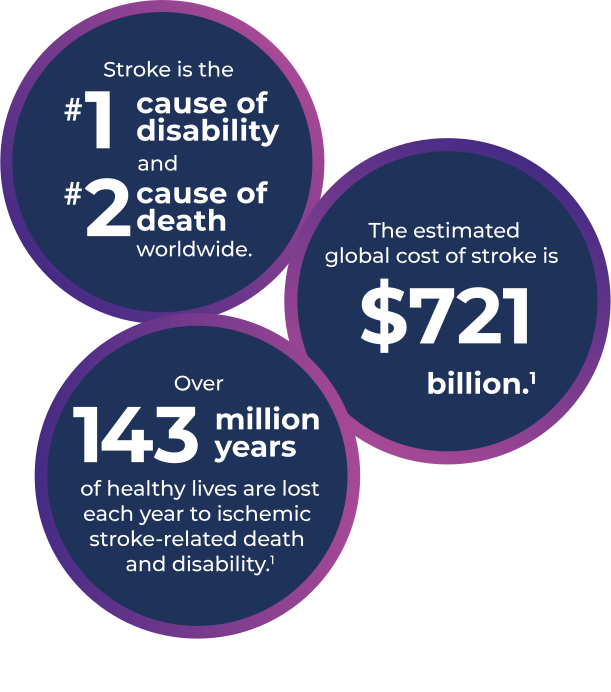
The global impact of stroke is staggering. It’s the #1 cause of disability and the #2 cause of death worldwide, with an estimated global cost of $890 billion.1 Over 160 million years of healthy lives are lost each year to ischemic stroke-related death and disability.1 Caregivers are also affected, and often experience physical challenges in caring for their loved ones, as well as depression, anxiety, social isolation, and a high financial burden.2,3

There is a significant unmet need for more effective stroke therapies

The majority of strokes (87%) are acute ischemic strokes, in which blood supply to a part of the brain is interrupted. Insufficient blood supply results in oxygen and glucose deprivation, which leads to acute mitochondrial failure and thereby to an acute energy crisis that causes rapid cell death and long-term disability. Without oxygen, brain cells begin to die within minutes. Only ~20% of people having a stroke are eligible to receive endovascular thrombectomy (mechanical clot removal) or thrombolytics (clot-busting drugs), leaving the remaining ~80% of people at risk for greater brain damage and long-term disability.4

RESCUE, a Phase 2 clinical trial in stroke patients who were randomized within 24 hours of symptom onset and received endovascular thrombectomy

While standard of care focuses on restoring blood flow in ischemic stroke patients (reperfusion), RNS60 acts as a cytoprotective agent to preserve brain tissue at risk of damage following a stroke. In the Phase 2 RESCUE clinical trial, RNS60 as an adjunctive therapy demonstrated:5,*

  • 50% reduced loss of brain tissue (p<0.05) after clot removal by endovascular thrombectomy
  • Clinically meaningful, numeric improvements in multiple functional outcomes (modified Rankin Scale, Barthel Index, National Institute of Health Stroke Scale, EQ-5D-5L – EuroQoL Questionnaire)
  • Even greater beneficial outcomes in participants enrolled within 12 hours since symptom onset
  • Excellent safety: Well-tolerated
Based on these results, RNS60 has received FDA Fast Track designation and we are engaging clinical sites for our Phase 3 clinical trial (RESTORE) in patients randomized within 12 hours of symptom onset, which could serve as the basis for regulatory approval, potentially impacting millions of lives worldwide.

*Versus endovascular thrombectomy alone.

References: 1. World Stroke Organization (WSO): Global Stroke Fact Sheet 2025. 2. Han B, et al. Stroke. July 1999; 30(7):1478-1485. doi:10.1161/01.STR.30.7.1478. 3. Skolarus L, et al. Stroke. June 2016; 47:2090-2095. doi: 10.1161/STROKEAHA.116.012704 4. Anand SK, et al. J Neurosurg. 2021;51(1):E2. doi:10.3171/2021.4.FOCUS21117 5. Ghosh S, et al. Stroke. 2025;56:2386–2397. DOI: 10.1161/STROKEAHA.125.051179

DISCOVERY PROGRAM:
Acute neurological injury and mitochondrial resilience

Our research continues to explore how protecting mitochondria can also help reduce brain loss and improve outcome in non-ischemic neuronal injury, as well as combat the progressive decline in neurodegenerative diseases and aging.

We have several discovery programs including:

  • Traumatic Brain Injury
  • Alzheimer’s Disease
  • Parkinson’s Disease
  • Age-Related Neurodegeneration